
Pallet shipping:
what’s the smartest option?
Four boxes heading to the same address, 180 kilos between them, and you still book them as four separate parcels. Sound familiar? It feels like the obvious call, but you usually end up paying over the odds, and the risk of damage climbs. The real question isn’t whether to ship on a pallet. It’s knowing when a pallet beats loose parcels, and which route to send it by.
When does a parcel stop being a parcel?
Parcel carriers price each item on its size and weight. The moment a shipment tips past 30 kilos, the sums start to work against you. Carriers also charge on volumetric weight, so a light but bulky box gets billed for the space it takes up, not for what the scale reads.
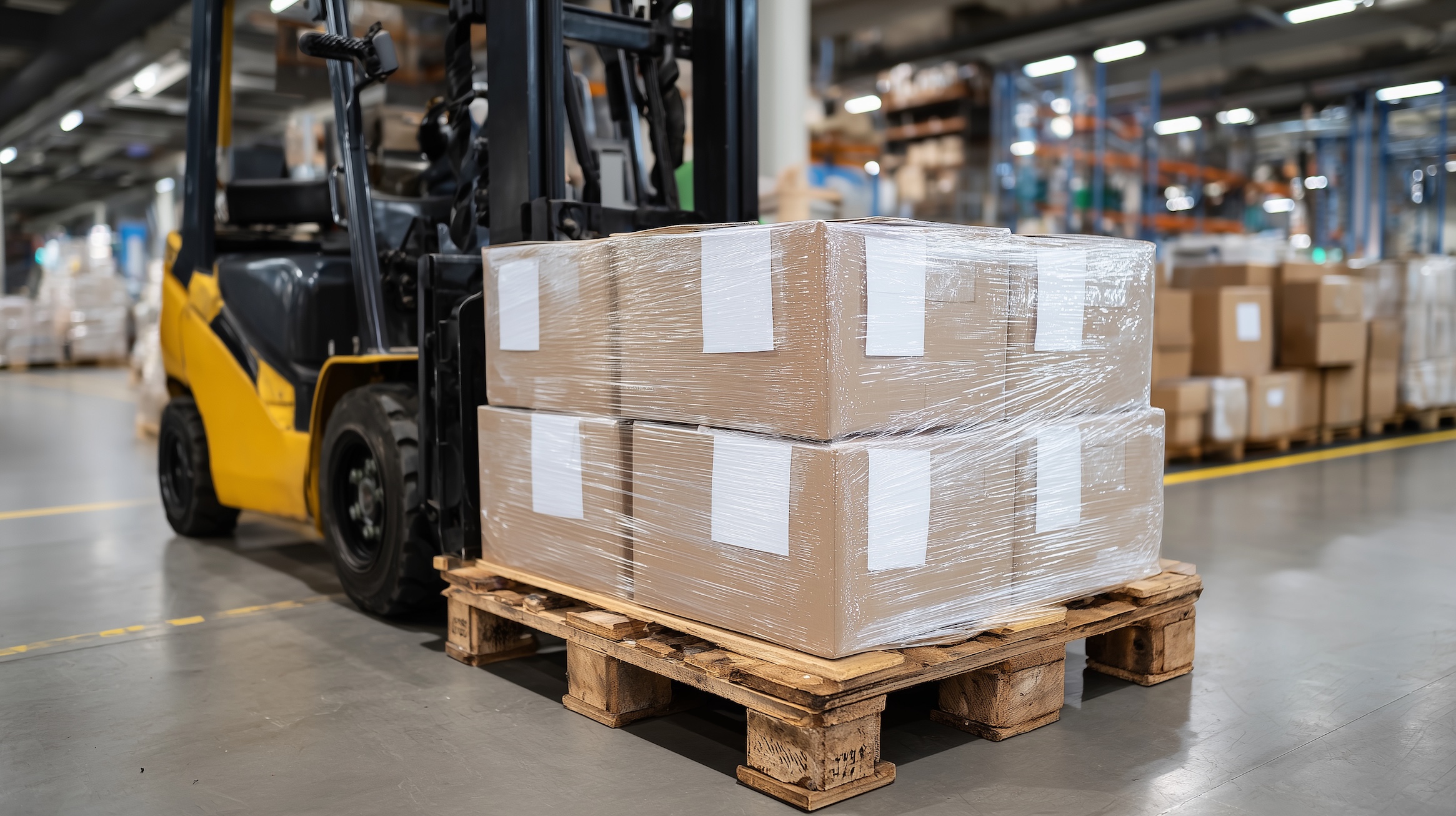
For a large or heavy shipment going to a single delivery address, a pallet is usually the cheaper way to send it. You consolidate the goods onto one base, pay once for the shipment, and everything travels together, which cuts the odds of a box going missing or getting crushed. One thing worth checking first: a pallet only makes sense if the delivery point can actually take one, ideally a B2B site with a loading dock or a forklift on hand.
Shipping a pallet by road, air or sea
Once you’ve settled on a pallet, the next call is how to move it. That comes down to three things: destination, speed and budget.
Road is the default across Europe. A pallet to Germany or France typically arrives within a few days at a sharp rate. Ship beyond Europe and it becomes a trade-off. Air freight is faster and dependable on transit time, which is the way to go when there’s a deadline to hit. Sea freight works out cheaper on larger volumes or when time is on your side, though you’re counting in weeks rather than days. For air freight, TFF is IATA-certified, so your pallet meets the requirements for safe transport by air.
Torn between air and sea? We’ll do the maths for you, with every surcharge folded into one clear rate.
How will you send?
The mistakes that make a pallet shipment expensive
Most of the extra cost lands before the goods even move, at the booking and packing stage. Three misses come up again and again:
A weight or dimension entered wrong
so the carrier reweighs and bills you the difference.
A badly stacked pallet that won’t take another on top,
so it eats double the loading space.
And missing or incorrect paperwork on shipments outside the EU,
which leaves your goods sitting at customs.