
Sustainable shipping: How to make your logistics greener
The world of transport is changing fast. More and more companies want to make their logistics processes more sustainable. But where do you start? Whether you ship parcels every day or regularly send pallets abroad — every shipment has an impact on the environment. With a few smart choices, you can significantly reduce that impact. Curious about the options for making your shipping more sustainable? We’ll show you how the right decisions can make your logistics greener step by step.
Sustainable transport: from ambition to action
Goods will always need to move — just with less CO₂ emissions. The question is: how do you make that happen? Where do you start as a company, and what options are actually available? Think of more efficient driving, smarter planning, or choosing environmentally friendly transport methods such as electric vehicles or rail freight. With the right choices, you reduce waste, lower costs, and minimise your impact on the environment.

Practical ways to make your logistics greener | step-by-step
Transport is one of the largest contributors to CO₂ emissions worldwide. Road transport in particular puts heavy pressure on the environment due to fuel consumption, empty mileage, and packaging waste. By organising your logistics more efficiently, you can reduce this immediately — in both emissions and costs.
There are several ways to make your logistics greener without compromising on speed or service. We’re happy to share a few tips to help you make your logistics process more sustainable.
1. Combine shipments
Combining shipments sounds simple, but it requires solid planning and insight into your order flows. In practice, this works especially well when multiple orders share the same destination, region, or transport lane. By combining these shipments, you reduce the number of trips — and with that, your CO₂ emissions and your costs.
With TFF Xpress, you can instantly see which shipments can be combined and which transport option is the most efficient.
2. Choose electric or fuel-efficient vehicles
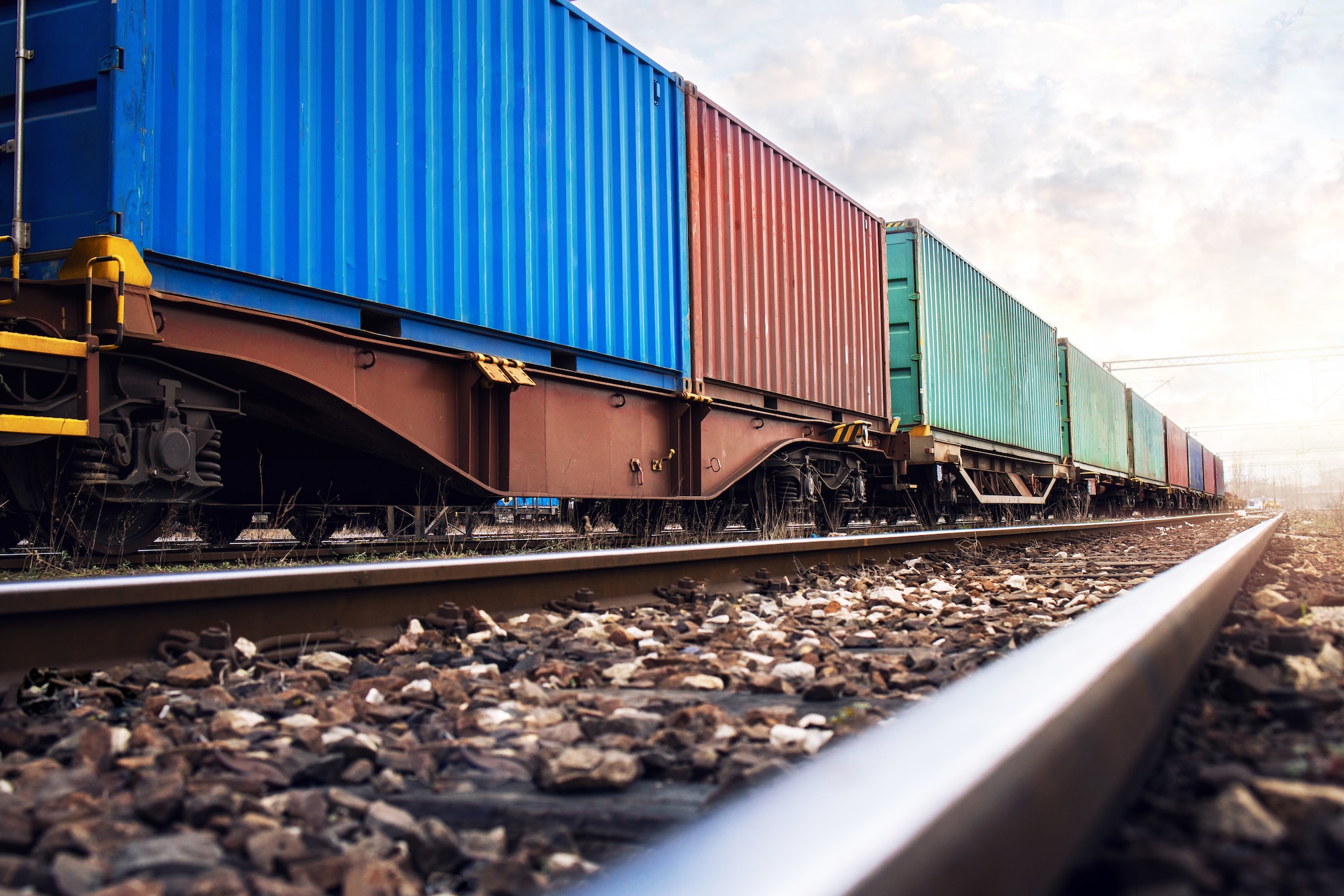
More and more carriers are investing in electric trucks, LNG vehicles, and other energy-efficient alternatives. Especially for regional distribution, this can significantly reduce emissions. For international routes, rail transport is one of the most sustainable options. It pays to consciously choose carriers that already invest in these cleaner modes.
3. Compensate when needed
Not every shipment can be made sustainable immediately — sometimes because of the destination, speed, or volume. In these cases, CO₂ compensation can be a practical interim solution. Think of certified projects that contribute to reforestation or renewable energy.
Compensating doesn’t replace actual sustainability efforts, but it does help reduce the overall footprint of your logistics operation.
4. Optimise packaging
Over-packaging and non-recyclable materials are unnecessary expenses and poor environmental choices. Use recyclable packaging materials wherever possible, adjust the parcel size to the content, and reuse pallets and crates when you can.
For many companies, optimising packaging immediately leads to gains in handling, transport costs, and sustainability.
5. Plan ahead and avoid urgent shipments
Urgent shipments are more expensive, cause more emissions, and often disrupt planning. By looking ahead — considering stock levels, customer expectations, or seasonal peaks — you can transport far more efficiently.
A shipping platform supports this: you instantly see the most logical routes, available carriers, and the most sustainable options for your shipment.
A good shipping platform helps you choose the most efficient routes and carriers.
Smart & sustainable shipping with TFF Xpress
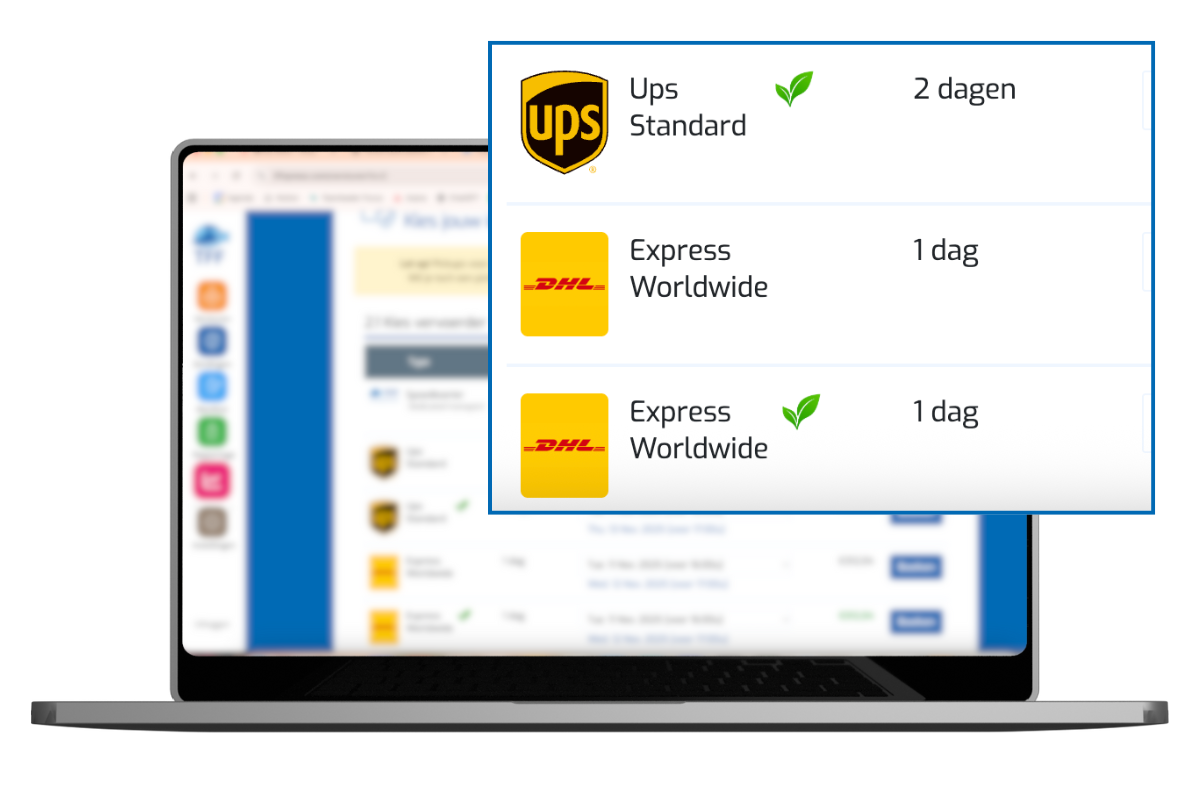
Sustainable shipping doesn’t have to be complicated. In the TFF Xpress shipping portal, you’ll see at a glance which shipping options are the most environmentally friendly — clearly marked with a green icon.
For example, choose rail transport, the most sustainable option for international shipments. CO₂-neutral transport, shipment consolidation, and energy-efficient carriers are also easy to select. You decide what best fits your business.