

Checklist: Sending a business package without mistakes
Sending a business package may seem simple. But behind every business shipment there is a schedule, an agreement, or a promise to your customer. And you want to get it right the first time.
With the right preparation, business shipping runs smoothly and predictably. You know what to expect, and so does your customer. No loose ends, no surprises afterwards.
With this checklist, you will have everything clear before you ship. That way you can send business packages efficiently, reliably, and without hassle.
A business shipment? Then different rules apply
Business shipping often means coordinating with several parties at the same time. This makes the process slightly more complex and requires clear agreements, oversight, and an approach you can rely on. The bar is simply higher than when sending to a private address.
A business shipment runs smoothly when you take the following into account:
- Clear delivery times and delivery agreements: many companies work with fixed receiving times or warehouse processes. By aligning with this in advance, a shipment can be processed immediately and is not unnecessarily delayed.
- Complete documentation and references: think of order numbers, packing lists, or project codes. With the correct information, a shipment is recognized internally more quickly and handled correctly.
- Transparent tracking: clear track & trace provides peace of mind—for you and for the recipient, who knows exactly when the shipment will arrive and can plan accordingly.
- Clear agreements about responsibility: by determining liability and insurance beforehand, you prevent misunderstandings and keep the focus on a smooth delivery.
In short: business shipments require a well-considered approach, aligned with processes and agreements. That makes shipping predictable and reliable.

Information you should have ready
The more complete your information is beforehand, the smoother the process will be. Make sure you have the following ready:
- Full address: including company name, floor, contact person, and phone number
- Return address: in case a shipment cannot be delivered
- Clear shipping label: easy to read, correctly placed, and undamaged
- Description of contents: what exactly are you shipping?
- Dimensions and weight
- Value of the goods: important for insurance and (for international shipping) customs
- Order number or reference: so the recipient can process the shipment immediately
- Required documentation: such as packing lists, certificates, or—when shipping internationally—a commercial invoice
Clear and complete information prevents questions, delays, and additional costs.
Choosing the right shipping service
Not every business shipment requires the same solution. Sometimes speed is decisive; in other cases reliability, cost, or specific delivery arrangements are more important.
Think about the following in advance:
- desired delivery time
- delivery moments or time windows
- national or international destination
- value and fragility of the shipment
By making conscious choices here, the shipping service will better match your process and you can avoid unnecessary delays or additional costs.

Common mistakes and how to avoid them
- Incomplete address: a missing contact person or floor can quickly cause delays. Always verify the address exactly as provided by the customer.
- Incorrect packaging: boxes that are too light or insufficient cushioning can lead to damage. Use sturdy packaging and make sure your package can handle some impact.
- Too general content description: terms like “parts” or “samples” are too vague for carriers and customs. Be specific: include the product name, quantity, and application.
- Not considering country restrictions: some goods cannot enter certain countries without additional documentation, such as a commercial invoice or additional product information. Check this in advance, especially for electronics, batteries, food products, or chemical goods.
- Poor communication with the recipient: without clear updates, confusion or frustration can arise quickly. Send tracking information and inform the customer as soon as the shipment is on its way.
Insurance and liability
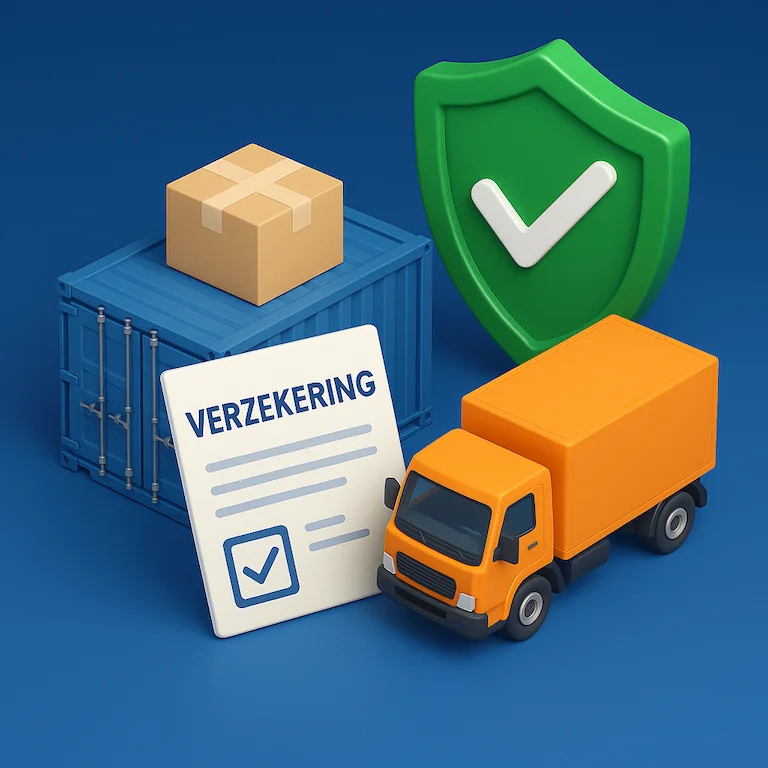
Many companies assume that damage or loss will automatically be reimbursed. In practice, carrier liability is limited to just a few euros per kilo—often insufficient for valuable or fragile goods.
Ask yourself:
- What is the value of the shipment?
- What are the consequences in case of delay or damage?
- Is the standard coverage sufficient?
In many cases, additional cargo insurance is a sensible choice.
TFF: overview, speed, and certainty
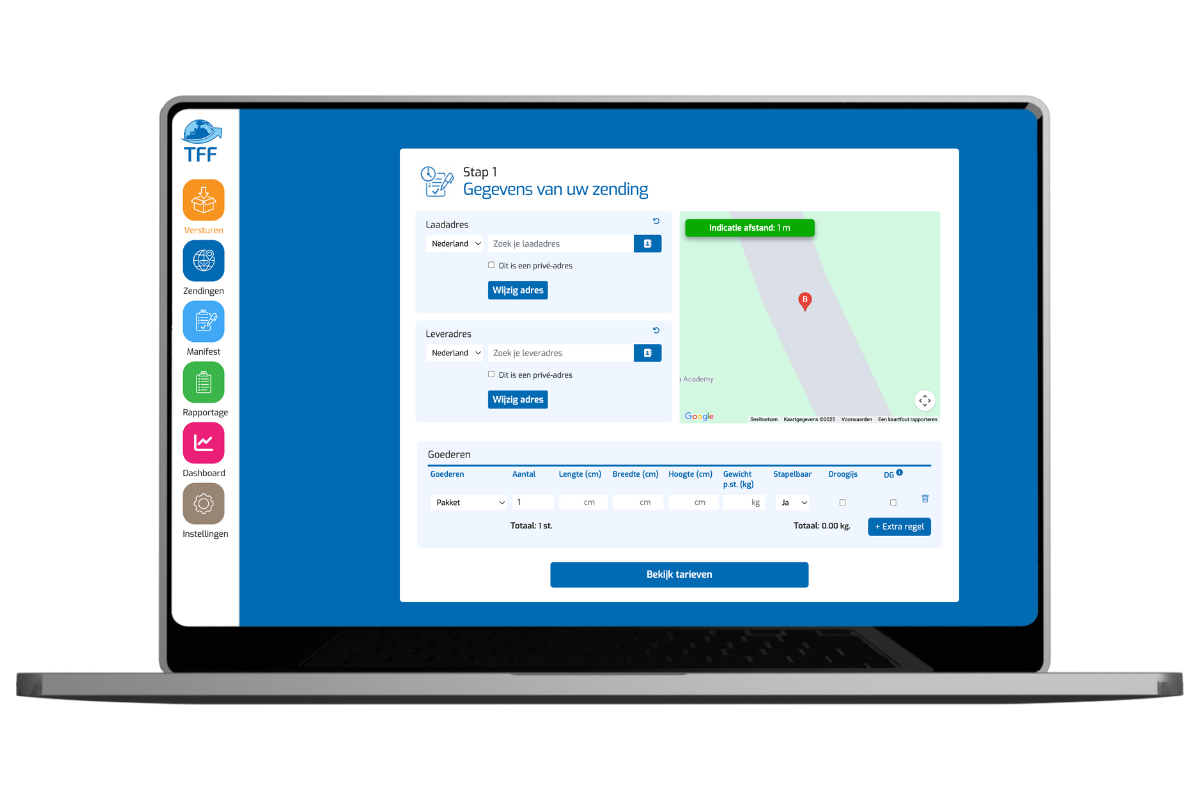
With TFF Xpress, you can easily arrange your business shipments. You can compare carriers, book directly, and gain real-time insight into rates and delivery times. Do you have a more complex shipment or an international route? Your dedicated contact person will be happy to think along with you.
This way you stay in control of your shipments—and avoid surprises afterwards.
Sending business shipments? Or looking for advice on a more efficient approach?